

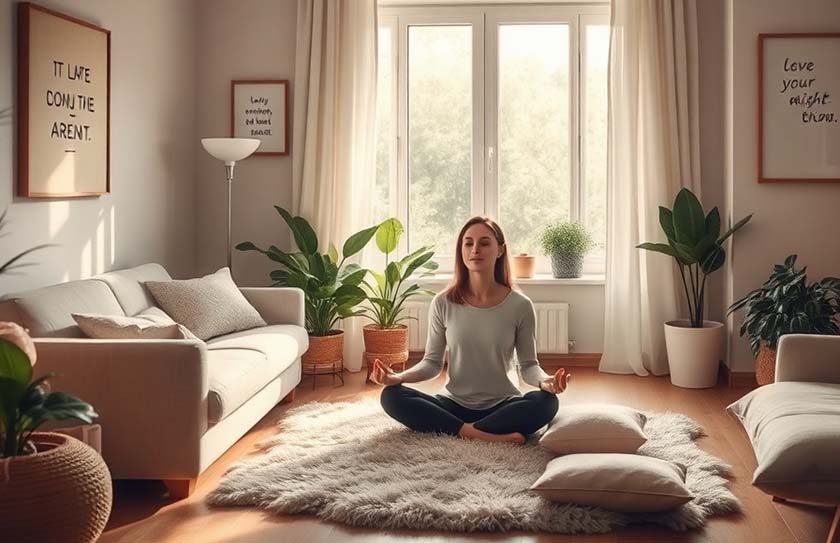
Designing your home as a sanctuary for mental wellbeing is not about luxury or following trends. It’s about intentionally shaping your environment to support calmness, clarity, emotional balance, and inner peace. When your home nurtures your mental health, it becomes a place where you can truly recharge, feel grounded, and show up better in every area of life.
Your surroundings constantly send signals to your brain. Clutter, harsh lighting, noise, and poor layout can increase stress levels, anxiety, and mental fatigue. On the other hand, a thoughtfully designed home can promote relaxation, focus, emotional safety, and a sense of control.
Research consistently shows that our environment influences mood, productivity, sleep quality, and emotional regulation. A home that supports mental wellbeing doesn’t need to be large or expensive—it needs to feel safe, balanced, and aligned with your personal needs.
Designing for mental wellbeing means shifting from “How does my home look?” to “How does my home make me feel?”
Defining What “Sanctuary” Means to You
Before undertaking any changes to your furniture or repainting your walls, it is crucial to first define what a sanctuary means to you personally.
Mental well-being is a deeply individual concept, and your home should be a reflection of that unique perspective. To begin this journey, ask yourself essential questions such as where you feel most at ease, what environments help calm your mind, and what specific elements may trigger stress or overwhelm in your space.
Additionally, consider which activities help you relax and recharge. For some individuals, a sanctuary might evoke a sense of minimalism and tranquility, while for others, it could be warm, expressive, and filled with personal significance. There is no one-size-fits-all approach; intentional design begins with self-awareness.
By understanding your personal needs and preferences, you can create a sanctuary that truly nurtures your mental well-being, making your home a space where you can feel grounded and at peace.
Decluttering: Creating Mental Space Through Physical Order
Clutter is not just a visual distraction; it also serves as a significant psychological burden. Having excess belongings can lead to feelings of chaos, decision fatigue, and persistent mental noise. Understanding the importance of decluttering can greatly support your mental well-being.
By reducing clutter, you can alleviate stress and anxiety, improve focus and clarity, create a sense of control over your environment, and encourage mindful consumption.
Decluttering doesn’t mean you have to live with nothing; instead, it involves surrounding yourself with items that are useful, meaningful, or bring you joy. To begin the process, start small—tackle one drawer, one shelf, or one room at a time. It’s important to let go of objects that no longer serve your current life.
A decluttered home not only enhances your physical space but also allows your mind to breathe more freely, contributing to a more peaceful and harmonious living environment. By prioritizing decluttering, you can create a sanctuary that fosters both mental clarity and emotional well-being.
The Role of Natural Light in Emotional Balance
Natural light is a vital yet often overlooked element in the design of spaces that promote mental wellness. Exposure to daylight plays a crucial role in regulating circadian rhythms, boosting serotonin levels, and enhancing your overall mood.
To maximize the benefits of natural light in your home or workplace, keep windows unobstructed and consider using sheer curtains instead of heavy drapes to filter light while still allowing brightness in. Placing mirrors strategically can also help reflect natural light throughout the space, creating an airy and inviting atmosphere. Additionally, choose lighter wall colors in darker rooms to amplify the effect of the available light.
When natural light is limited, opt for warm, layered lighting that mimics daylight. It’s advisable to avoid harsh overhead lights, as they can increase tension and cause eye strain. Remember, the quality of light in your environment significantly influences how your space feels—and ultimately, how you feel within it.
By thoughtfully incorporating natural light and its alternatives, you can create a more uplifting and serene atmosphere that enhances your mental well-being.
Choosing Colors That Support Mental Wellbeing
Color psychology has a profound impact on emotional responses, making the colors you choose for your home essential in cultivating the atmosphere you desire. The right colors can either soothe or overstimulate your nervous system, significantly influencing your mood and well-being.
For calming environments, consider soft neutrals to provide balance and grounding, earth tones for a sense of warmth and stability, and muted blues and greens for relaxation. Warm whites can enhance clarity and openness in your spaces, creating a welcoming atmosphere.
It’s important to avoid overly bright or aggressive colors in areas designated for rest, such as bedrooms or reading nooks, as these can create tension. Instead, use bold colors sparingly as accents in spaces where you want to evoke energy or creativity, such as a home office or an artistic area.
By carefully selecting colors that align with the emotional purpose of each room, you can create a harmonious living environment that truly supports your mental and emotional well-being. Ultimately, thoughtful color choices can transform your home into a sanctuary that nurtures relaxation and inspires joy.
Creating Zones That Match Your Mental Needs
A mentally supportive home should feature clearly defined zones, even in smaller spaces. When areas serve multiple conflicting purposes, it can be challenging for the brain to switch off and fully engage in any one activity. To foster a more harmonious environment, consider creating distinct zones for rest and sleep, work or focus, relaxation and reflection, and creativity or hobbies.
You can effectively define these areas using rugs, strategic lighting, furniture placement, or room dividers. Establishing clear boundaries helps your brain associate each space with a specific mental state, thereby enhancing both relaxation and productivity.
By purposefully designing your home with these well-defined zones, you create an environment that supports your mental well-being, allowing you to transition smoothly between different activities while maintaining a sense of tranquility and focus throughout your day.
Ultimately, this intentional layout contributes to a more balanced and fulfilling living experience.
Incorporating Nature for Emotional Grounding
Biophilic design, which involves integrating elements of nature into indoor spaces, has been shown to have a profoundly positive impact on mental well-being. Exposure to nature can significantly reduce stress, enhance mood, and improve emotional resilience.
To bring the benefits of nature into your home, consider incorporating houseplants or fresh flowers, using natural materials like wood, stone, or linen, and ensuring views of greenery, even through artwork. Additionally, infusing natural scents, such as essential oils, can further enhance your environment.
Plants not only improve air quality but also foster a sense of care, growth, and connection to the natural world. Even the addition of a single small plant can make a space feel more vibrant and calming.
By thoughtfully integrating these natural elements into your home, you create an environment that supports mental wellness, encourages relaxation, and cultivates a deeper connection to the beauty of nature. Such a biophilic approach can transform your living space into a soothing sanctuary, promoting a healthier, happier lifestyle.
Designing for Comfort and Safety
Mental well-being flourishes in environments where the body feels physically safe and supported. Uncomfortable furniture, poor ergonomics, and cold, uninviting spaces can subtly elevate stress levels and detract from a sense of peace. To create a nurturing atmosphere, focus on incorporating comfortable seating that provides proper support, along with soft textures such as cushions, throws, and rugs that invite relaxation.
Stable furniture layouts that foster security and flow are essential, as they help create a harmonious space. Additionally, ensuring adequate warmth and airflow can significantly enhance overall comfort. It’s important to remember that comfort is not merely a luxury; it serves as a foundational element of emotional regulation.
By prioritizing these elements in your home, you can cultivate an environment that supports mental wellness, allowing you to feel grounded, secure, and at ease in your living space. Ultimately, this thoughtful approach to design can create a sanctuary where both your body and mind can thrive.
Sound, Silence, and Mental Calm
Noise pollution is a significant contributor to stress and mental fatigue, making it essential to design your home with sound considerations in mind. By effectively reducing unwanted noise, you can greatly enhance your sense of peace and overall well-being.
Consider incorporating rugs, curtains, and soft furnishings, as these elements can absorb sound and minimize disturbances. Additionally, sealing gaps around doors and windows helps prevent outside noise from intruding into your space.
Integrating calming background sounds or music can further create a soothing atmosphere. However, it’s equally important to carve out spaces dedicated to silence. Moments of quiet allow your nervous system to reset and your thoughts to settle, fostering a greater sense of clarity and calm.
By prioritizing sound design in your home, you not only create a serene environment but also support your mental wellness, allowing you to thrive in a tranquil and harmonious space.
Personalizing Your Space for Emotional Connection
A sanctuary should authentically reflect who you are, rather than resemble a showroom. Personal items that hold positive memories can significantly enhance feelings of belonging and emotional safety.
To create a meaningful and personalized space, consider incorporating photos that evoke warmth and joy, art that resonates with your emotional experiences, and objects connected to travel, growth, or important milestones. Handmade or sentimental items can also add depth to your environment, creating a sense of warmth and individuality.
However, it’s essential to be intentional in your selections; having too many personal items can lead to clutter, which may detract from the atmosphere you wish to cultivate. Focus on choosing pieces that genuinely uplift your mood and reinforce your sense of identity.
By thoughtfully personalizing your sanctuary, you can create a space that feels comfortable and nurturing, ultimately promoting your mental well-being and enhancing the overall vibe of your home.
Designing a Bedroom That Supports Mental Recovery
Your bedroom plays a crucial role in your mental well-being, serving as a sanctuary for rest rather than stimulation. To create a calming bedroom environment, consider a neutral, soothing color palette that promotes tranquility.
Minimize electronics and screens, as these can disrupt the peaceful atmosphere needed for relaxation. Invest in a comfortable mattress and high-quality bedding to ensure restful sleep, and incorporate soft, dimmable lighting to create an inviting ambience.
Treat your bedroom as a restoration zone rather than a storage room or workspace. A clutter-free environment fosters a sense of calm and allows your mind to unwind. Quality sleep is essential for maintaining emotional balance, resilience, and mental clarity.
By prioritizing these key principles, you can transform your bedroom into a nurturing space that significantly enhances your overall mental well-being.
Creating a Mindfulness or Reflection Space
Even a small corner in your home can serve as a powerful anchor for mental well-being. Creating a designated mindfulness space encourages daily moments of stillness and self-connection.
This area might feature a comfortable chair or cushion where you can settle in for a moment of reflection. Additionally, ensuring access to natural light or using a soft lamp can create a warm and inviting atmosphere.
Incorporate items such as a journal, a favorite book, or meditation aids to support your mindfulness practice, while keeping the space free from minimal distractions. Remember, you don’t need this area to be perfect; what matters is your intention behind it.
The simple presence of this mindfulness space serves as a gentle reminder to pause, take a breath, and reconnect with yourself, ultimately fostering a deeper sense of peace and clarity in your daily life.
Our sense of smell is directly connected to memory and emotion. Incorporating calming scents into your home can instantly shift your mood.
Popular scents for mental wellbeing:
- Lavender for relaxation
- Citrus for uplift and clarity
- Sandalwood for grounding
- Eucalyptus for mental freshness
Use candles, essential oils, or natural incense mindfully. Subtlety is key—overpowering scents can become stressful rather than soothing.
Turning Your Home into a True Mental Wellbeing Sanctuary
Designing your home as a sanctuary for mental wellbeing is a deeply empowering act. It’s about creating an environment that supports who you are, how you feel, and how you want to live.
By decluttering with intention, maximizing light, choosing calming colors, incorporating nature, prioritizing comfort, and personalizing your space, you transform your home into more than just a place—you create a refuge for your mind.
Your home doesn’t need to be perfect. It needs to be supportive, calming, and aligned with your inner world. When your living space nurtures your mental wellbeing, it quietly but powerfully improves every aspect of your life.